

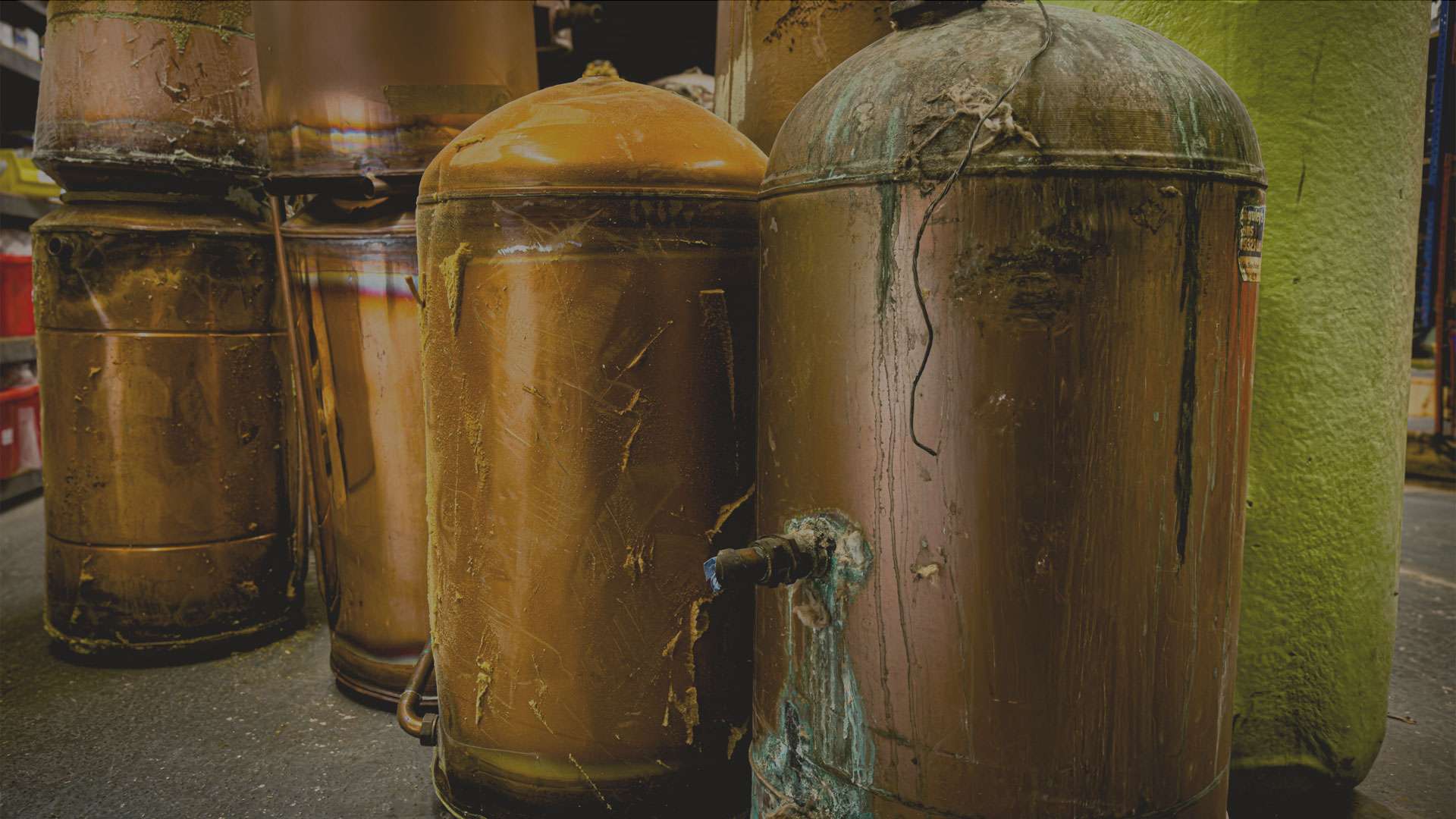
Your Local Scrap Copper Recycling Yard
Scrap copper has earned the reputation of being one of the most valuable non-ferrous metals to sell. This is because quality copper can hold up to 95% of its original value, much higher than other metals. Copper can be endlessly recycled without losing any of its original qualities, e.g. conductivity, durability, etc. and therefore is always in high demand. As your local scrap copper buyers, our team is ready to welcome you onto our copper recycling yard, where we are proud to utilise the best, most up-to-date metal analysis systems.
Kas Metal Trading are a team of dedicated scrap metal professionals. With a passion for copper metal recycling, we make selling scrap copper simple. Our accurate weighing and grading systems, as well as our detailed metal analysis allows us to provide the highest quality metals on the market, ready to be processed.
Scrap Copper Prices
Scrap copper prices can be impacted by a variety of factors, for example, supply and demand or the current UK economy. Naturally, when demand is high, the scrap copper price per kg will also increase. In addition, other geopolitical factors can also heavily influence scrap copper prices. When you are looking to sell your scrap copper, it is important to find a metal merchant who is well-versed in the metal trading industry and fully understands the fluctuations of price.
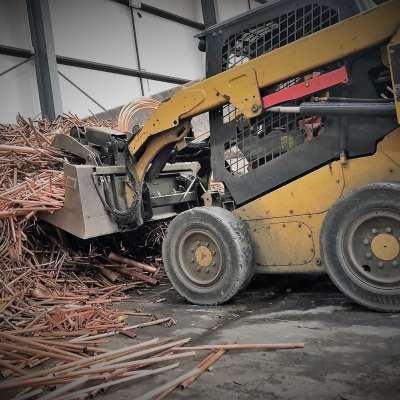
In doing so, you can be sure that your chosen scrap copper buyer is offering the most competitive and up-to-date prices and you are therefore getting the best possible deal.
Here are Kas Metal Trading, we base all of our scrap copper prices on the London Metal Exchange (LME). The London Metal Exchange is the world trade centre for the metal trading industry and most transactions will occur through them. The trading forum created a standardised market to ensure fair and reliable trading. By basing all of our scrap copper prices on the LME, we can offer impartial, reliable and competitive prices for your scrap copper.
What Types of Copper Can Be Recycled at Your Scrap Copper Recycling Yard?
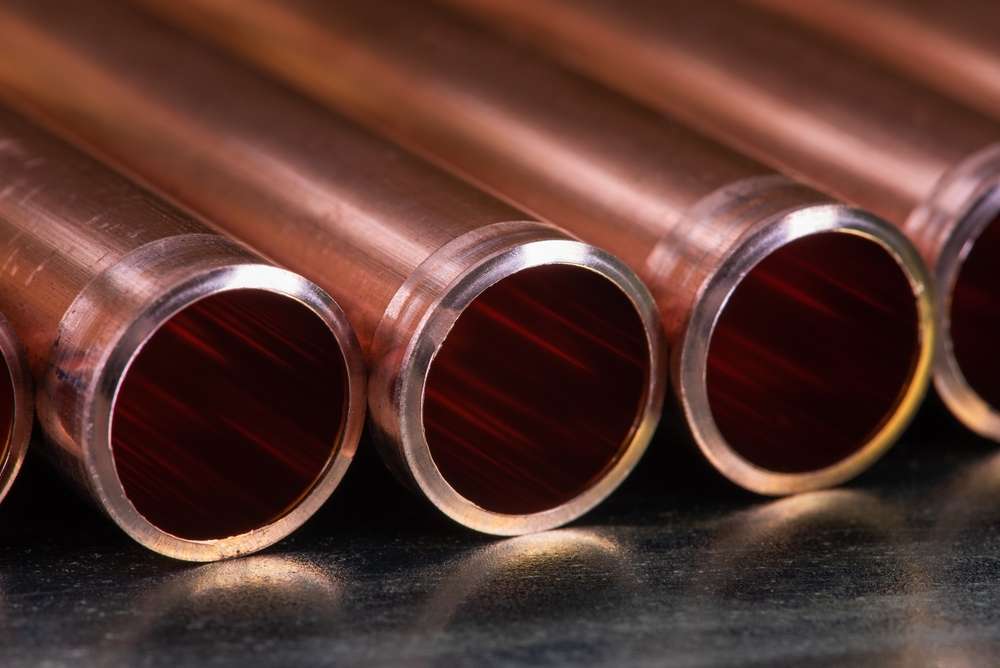
Copper is infinitely recyclable, meaning it can be recycled over and over again at our copper recycling yard without losing any of its original properties. This also means all types of copper can be recycled. Some of the most common types of copper products include pipes, wires and roofing sheets/panels.
Copper Pipes
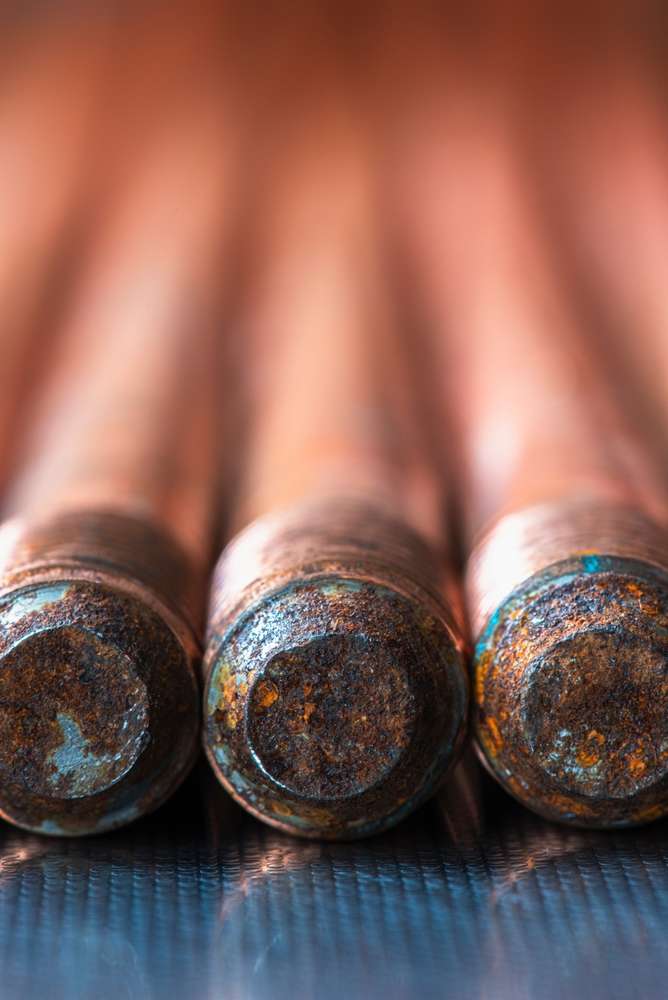
Plumbers often come into contact with copper pipes, usually found in old plumbing, heating and fire sprinkling systems, as well as valves and fittings used in copper pipework. However, before scrap copper pipes can be recycled, the brass fittings and tin soldering that tends to be adjoined to the pipes must be removed.
Copper Wires
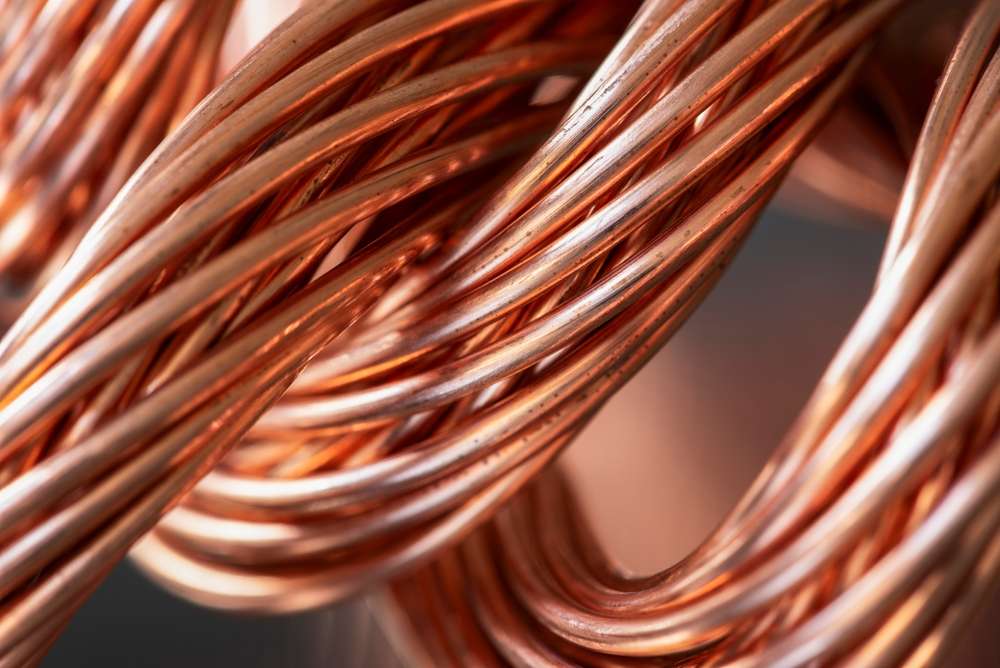
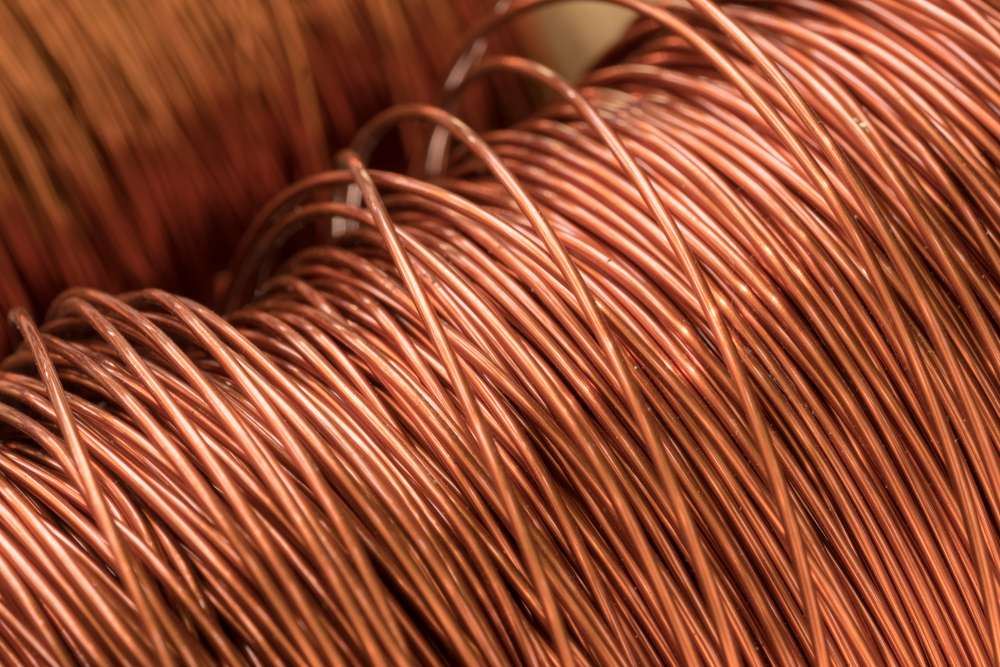
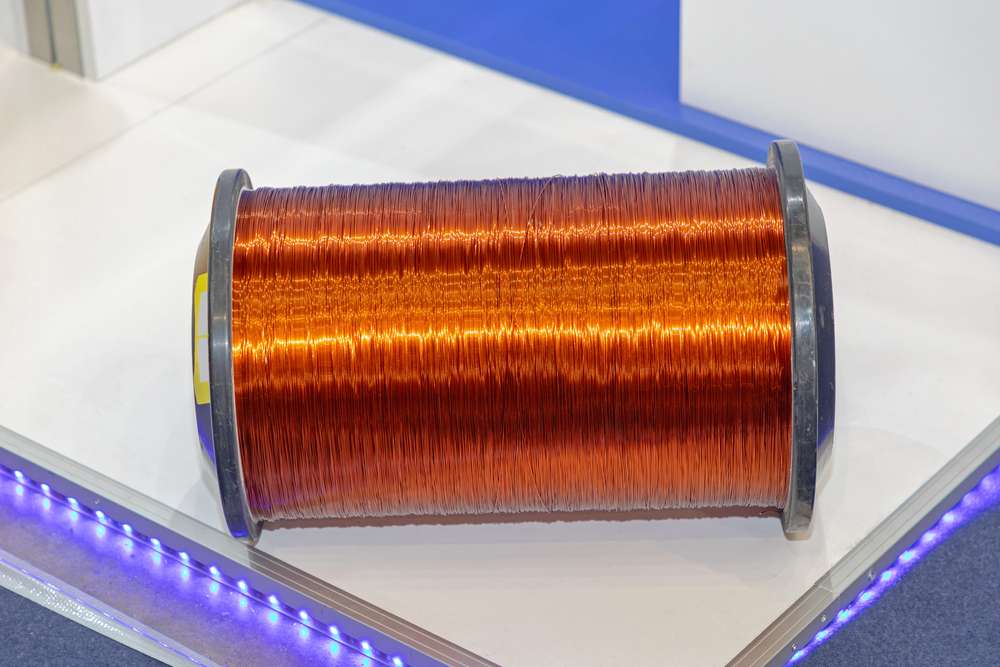
Electricians frequently come across copper wires, widely used in electronic devices and common household appliances. After the demolition of an older building, there will usually be a lot of scrap copper wire leftover which can be recovered and recycled. But, before the recycling process can begin, the insulating materials must be removed.
Copper Roofing
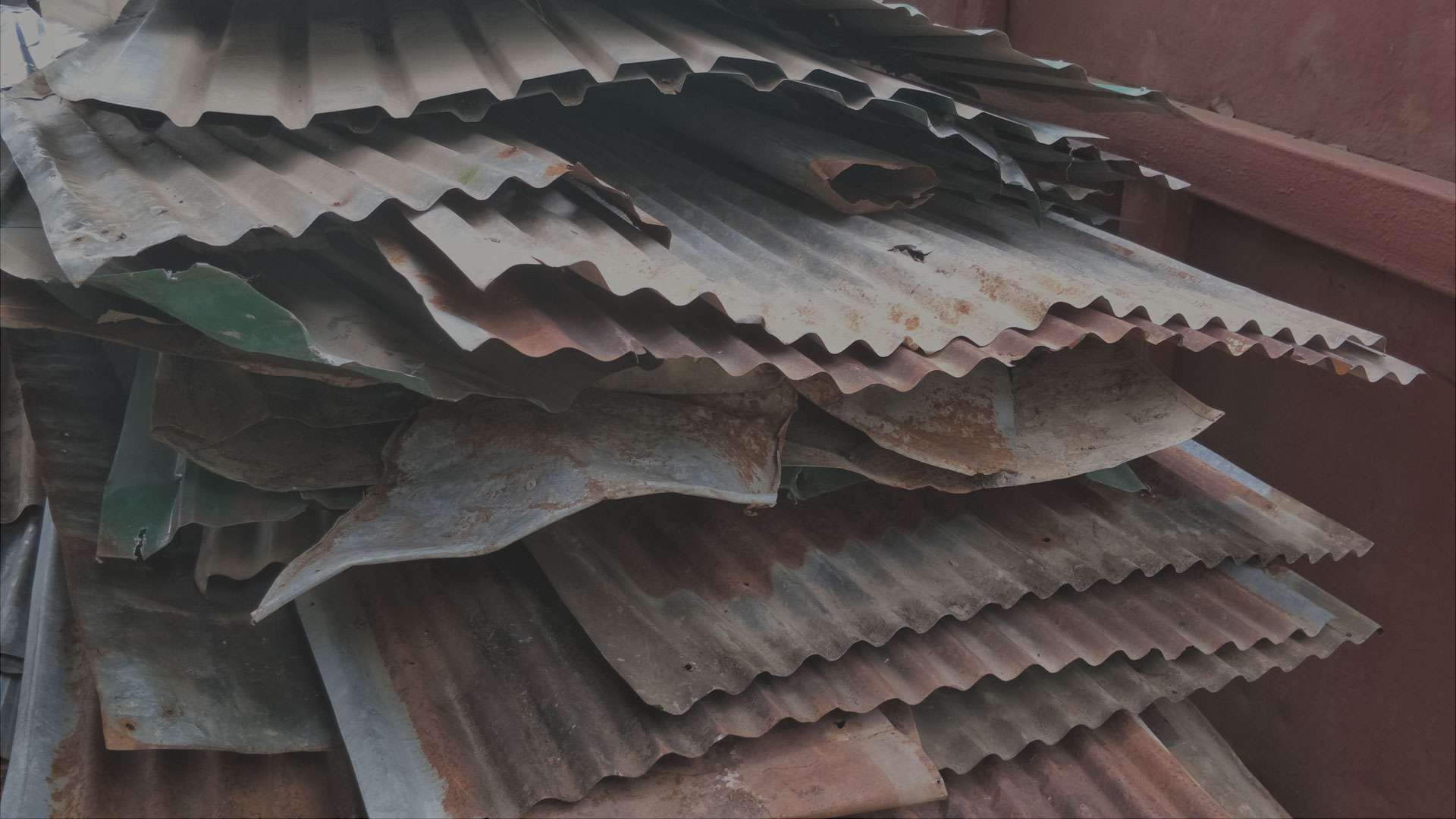
As copper is durable and designed to withstand severe weather, it is often used for roofing products. The majority of copper roofs are made using recycled scrap copper in comparison to virgin copper. Copper roofs are known to last 70-100 years and they tend to be considered as a ‘maintenance-free’ option.
Other types of scrap copper include: dry bright copper, greasy bright copper, no.1 burnt copper wire, no.2 burnt copper wire, heavy copper, new copper tube, braziery copper, copper turnings, copper radiators, compo rads, and electric motors.
Examples of scrap copper cable include: low grade armoured copper cable, VIR (Vulcanised Indian Rubber), household copper cable, MICC (Mineral Insulated Copper Clad) cable (Pyro), clean MICC cable (Pyro), single core copper cable, and twin & earth copper cable.
The Benefits of Scrap Copper Recycling & How it Works
The benefits of recycling copper are well-known, but did you know that recycling copper requires over 85% less energy when compared to manufacturing copper from scratch? In addition, it produces approximately 65% less CO2 emissions, reduces landfill waste, preserves natural resources and lowers emissions from the mining of virgin copper. It is for these reasons that recycling copper is so popular, with over ¼ of the copper minded still in circulation to this day.
Before copper is recycled, it must first be sorted. Higher-grade copper can be sent on almost immediately to the end-user as it will require less processing. Lower-grade copper, although still valuable, may require additional treatments to remove any impurities. Here at our copper recycling yard, our expert scrap copper buyers are able to efficiently sort all scrap copper sold to us based on the copper content, sorting the metals which are best suited for recycling, and use this information to accurately price the metal.
What Are the Different Scrap Copper Grades?
The different grades of scrap copper depend on purity, separation from other materials and quality of the metal overall. For instance, if there is a build-up of a paint on a copper roof, this would be classed as a lower grade of scrap copper.
Bare Bright Copper
Known as the leading grade of scrap copper within the industry, bare bright copper is characterised by its bright and shiny appearance, and is clean and bare of insulation. This grade of copper is generally traded at a higher price.
#1 Copper
#1 scrap copper tends to be clean, unalloyed and uncoated. This grade includes high-quality copper pipes, bus bars, clippings, etc. In order to recycle #1 copper, other adjoining materials must be removed and oxidation/corrosion levels must be kept to a minimum.
#2 Copper
#2 scrap copper tends to be less clean in appearance than its higher-grade counterparts. This is because #2 copper is usually slightly corroded and comprised of various unalloyed wires, pipes or solid metals that have solder, paint or any other type of coating on them.
#1 Insulated Wire
#1 insulated copper wire is clean, unalloyed, uncoated, and untinned. To facilitate a straightforward recycling process, it is usually best to bring in #1 insulated wire with a gauge thickness of 16 or more, with plastic insulation, and all ends cut off.
#2 Insulated Wire
#2 insulated wire is comprised of unalloyed, coated copper wire that is insulated with either heavy, double, or plastic insulation. When this insulation is removed, this type of cable should resemble a similar grade to #2 copper. This grade of scrap copper cable is usually coated in tin or nickel.
We can guarantee…
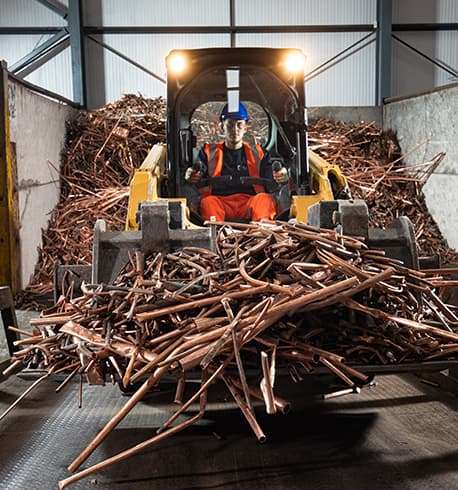
Sell Scrap Copper with Ease at Our Scrap Copper Recycling Yard
With over 30 years of experience, our scrap copper buyers make the process of selling and buying scrap metal a breeze! Over the years, we have refined our copper recycling processes with our customers in mind – including tradespeople like plumbers who come across the scrap metal on a daily basis. This means we can quickly and accurately grade your scrap copper, buying only the best quality metals available.
If you have scrap copper to sell, get in touch with our scrap metal merchants today. Our friendly and knowledgeable team is always available to answer any questions you may have.
Copper Recycling Yard: FAQs
All scrap metal must be properly prepared before it’s recycled. Not only does this speed up the turnaround of your weigh-in, but it’ll also ensure you get the best price possible. Here are a few things we would recommend you do with your scrap copper before visiting us:
- Sort Your Scrap Copper: Copper is one of the most valuable non-ferrous scrap metals, but its value decreases when it’s mixed with its less profitable non-ferrous counterparts, or ferrous scrap.
- Remove Non-Metal Attachments: If you can see any plastic, rubber, paint or oily residue on your scrap, try to remove it as best as you can.
- Time Your Sale Right: Keep an eye on the LME website for global scrap copper benchmarks, and when things look good, come and visit us for a quick valuation.
- Bulk-Sell Where Possible: If you have the storage space on-site, we would recommend saving up as much scrap copper as you practically can.
All of our scrap metal prices are based on the world centre for industrial metal hedging, trading and pricing – the London Metal Exchange (or LME, for short).
The LME sets the global standard for the majority of non-ferrous metal transactions, which means we can offer some of the most competitive prices in the area. But there are other factors that can affect the final number, including:
- The grade of your scrap (how pure it is)
- How much scrap you bring to your weigh-in
- Whether your scrap is ferrous or non-ferrous (non-ferrous is always more valuable)
- Supply & demand
Bare bright copper is the most valuable grade of scrap copper due to its bare, uncoated and unalloyed state. This grade doesn’t include copper pipes.
To be classed as bare bright copper, scrap must be stripped of all insulation. Any paint, impurities, signs of tarnishing or non-metal attachments must also be removed.
Yes – if you want to get the best price, we would always recommend stripping your scrap copper wire of its insulation before visiting our scrap yard. There are a few ways you can do this:
- Heat it Up: Put the wire in a black box and either leave it in the sun or use a low-temperature oven.
- Handheld Wire Strippers: If you have a small amount of wire, using handheld strippers or razor blades is usually easiest.
- Wire Stripping Machine: If you have a large amount of scrap copper wire, wire stripping machines are available to buy.