

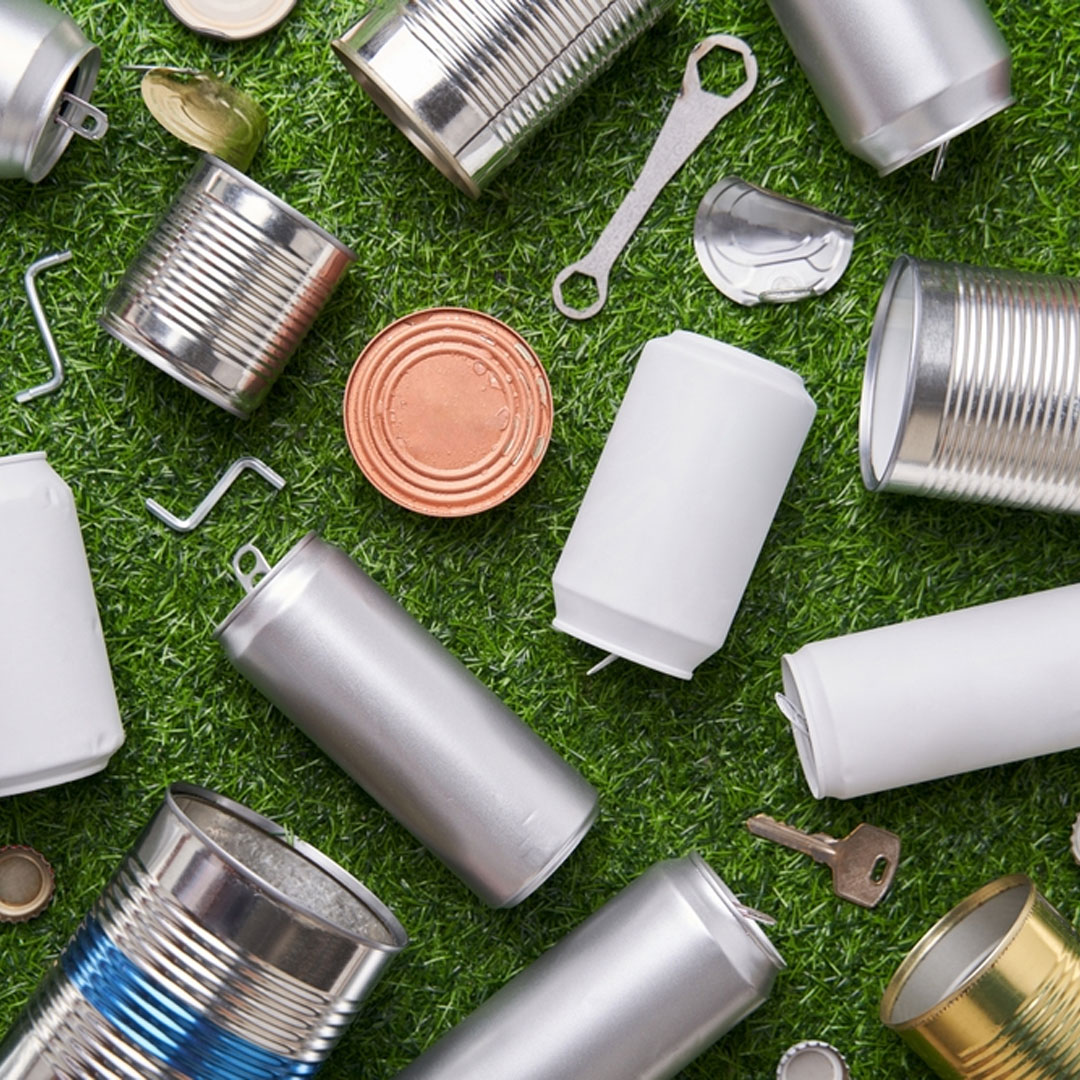
How Do You Sort Scrap Metal For Recycling?
To maximise efficiency and value, scrap metal needs to be sorted or organised before recycling. Not only to make the process easier for the recyclers, but also to ensure you’re getting the best value possible, as some scrap metals are more valuable than others. But, how do you sort scrap metal for recycling?
Separate Ferrous & Non-Ferrous Scrap
The first thing you will need to do is differentiate between your ferrous metals and your non-ferrous metals. The easiest way to do this is using a magnet. Any ferrous metal will stick to a magnet, this usually includes iron and steel. Non-ferrous metals are non-magnetic, so this is a sure-fire way to separate the two.
Why Separate Ferrous & Non-Ferrous Scrap?
- Simplifies the recycling process for the scrap metal buyers
- Reduces the chances of contamination (which will devalue your scrap metal)
- Ensures the higher-value non-ferrous scrap metal retains its worth
Categorise Non-Ferrous Scrap
Similarly, contaminating higher-value non-ferrous scrap with cheaper metals will decrease the profit you receive after the recycling process is complete. That’s why the next step is categorising your non-ferrous scrap by characteristics.
For example, make sure you keep valuable non-ferrous metals, such as copper and brass, separate from cheaper alternatives, such as nickel, tin and titanium. Copper is highly conductive, making it one of the most valuable metals due to its high demand in the construction and electrical industries.
Mixing the likes of copper and brass with lower-value metals will mean a lower price for you in the end.
Remove Non-Metal Attachments
The final element that affects scrap metal grades is non-metal attachments. This can include plastic, rubber, and sometimes wood.
Some scrap metal merchants may remove this for you, but if the recycling process takes longer, the value of your metal may decrease. The more efficient the process is, the more profit you’ll make!
Which Non-Metal Materials Can Become Attached to Scrap Metal?
- Paint and other coatings
- Residue from oil and lubricants
- Dirt, rust, or debris
- Plastic labels, insulation (common with pipes and electrical components) and small amounts of glass or wood
- Concrete
Scrap Metal Prices
To receive the very best scrap metal prices for your non-ferrous scrap, visit the Kas Metal scrap yard!
Our strategy is based on the world centre for industrial metal hedging, pricing and trading – the London Metal Exchange (LME). The LME sets the global standard for all non-ferrous transactions, ensuring there is always a buyer and a seller, and there is always the choice to transfer or take on risk.
For an in-depth guide to the LME, click here.
Weigh-In Your Scrap Metal With Kas
Now you know how to sort scrap metal for recycling, if you’re a tradesperson who needs to get rid of some extra weight from job to job, why not visit our local scrap yard to turn your waste into profit?
Give us a call, email or visit our local scrap metal yard today. Based in Atherton, we can also service the following areas: Preston, Leigh, Wigan, Tyldesley, Bolton, Worsley, Lancashire, Chorley, Westhoughton and Salford. Don’t forget to follow us on Facebook, Instagram and Twitter to keep up to date with the latest company updates and industry news.
Tags: Builders Scrap Yard, Electrical Scrap Yard, scrap metal recycling, Scrap Metal Recycling For Trade, scrap metals
